140th anniversary blog series - Pathways to change: the active travel revolution and what’s next
We are celebrating ADEPT's 140th anniversary year by showcasing the voices of past and present ADEPT Presidents, reflecting on the evolution of place leadership and exploring the challenges, innovations and aspirations shaping the future of the sector.
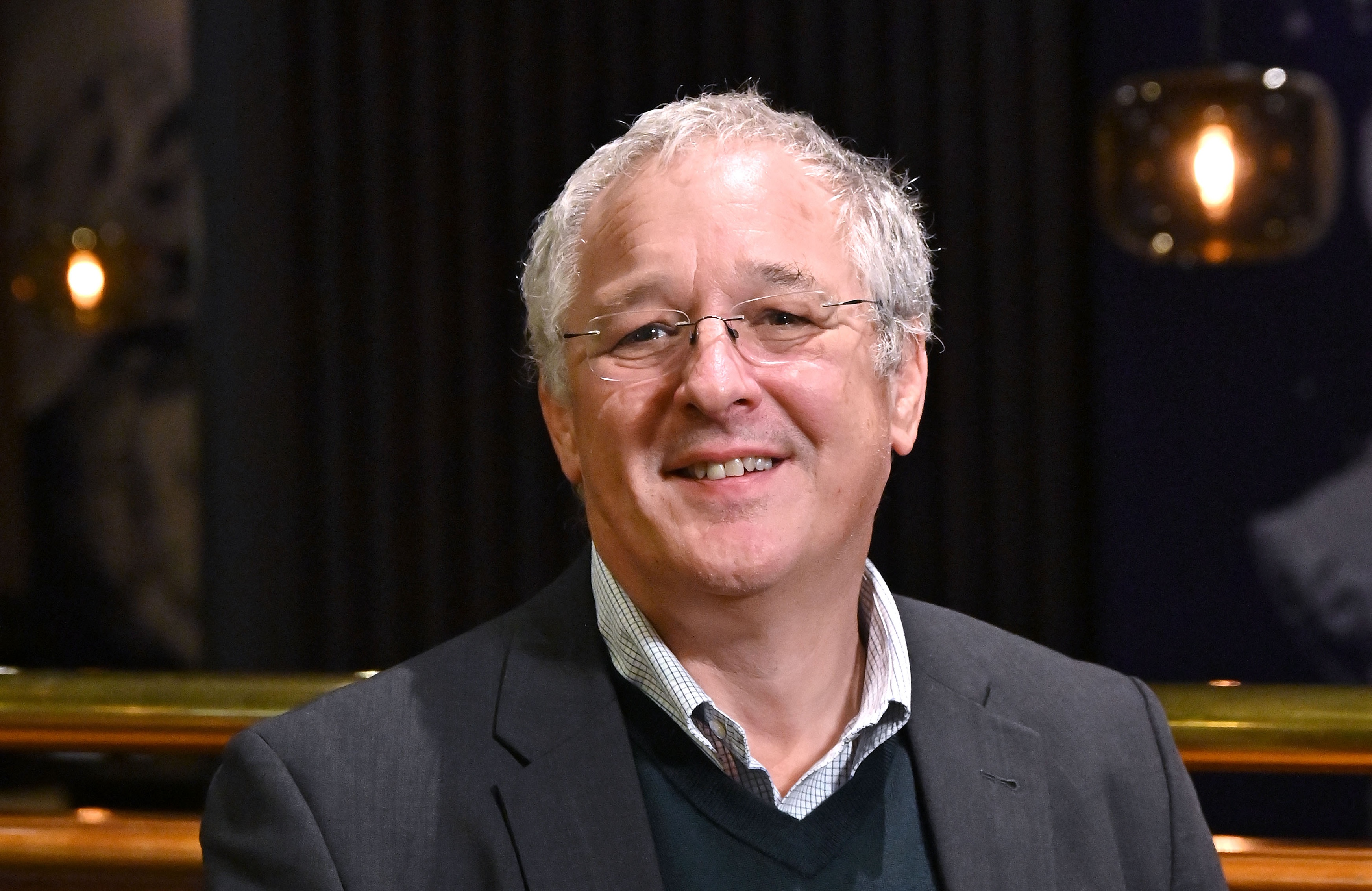
In his blog, Mark Kemp, Past President of ADEPT (2022/23) reflects on his history with the organisation and the active travel revolution.
I have been involved with ADEPT and its previous incarnation (CSS) since the early 2000’s as an ADEPT member. I eventually became chair of the Transport and Connectivity Board and later joined the Presidents Committee, serving as President in 2022 to 2023.
Throughout that time, I have been fortunate to work with some forward-thinking local authorities - Cambridgeshire, Oxfordshire, Buckinghamshire and Hertfordshire - who truly understood that Active Travel is not an anti-car campaign, but a critical element of the transport solution which can make a significant health and wellbeing contribution to UK plc.
In a society where, since the 1940’s, the highway network has been designed to favour motorised transport, redressing the balance for active modes has been one of the more challenging tasks.
Short political cycles, and an (often understandable) resistance to change from the public, mean that difficult decisions are often delayed or deferred. Scare stories about the risks associated with cycleways in urban environments have been a constant challenge, but we need to recognise that some of this is driven by personal experience of poor cyclist behaviour - while many cyclists follow the highway code, in my mind, there is a clear need for better behaviour from some cyclists to reduce that anxiety.
At the start of the century, the active travel debate focused on new developments and providing additional capacity. Where that was not possible, shared facilities were the preferred solution – either cycle facilities on the edge of the road or shared footway/cycleways.
More recently, communities have been more willing to consider reallocation of road space, effectively rebalancing the system and removing the car dominance in appropriate locations. The work that Active Travel England has developed has been very important in this area and, as Chair of the Transport and Connectivity Board, I was pleased to see the early push for ‘perfect solutions’ replaced with an element of pragmatism. When it comes to changing the way road space is used we need to make sure that we do not make ‘perfect the enemy of the good’.
In my earlier career, I had been involved in some of the first Safer Routes to School projects. Creating an environment where our youngsters could benefit from a little exercise as they travelled to school, rather than being dropped off in a hurry right outside the school gate has had an enormous impact on the development of so many of our children.
I know that my own kids loved the fifteen minute walk to school, the chat with Mum or Dad and the linking up with friends before they got into the school grounds. It also gave us a little exercise before we started our day and some precious time with the kids without other distractions.
These ideas are not new. In the first half of the 20th century, Rees Jeffreys was delivering wayside stops so that travellers could pause their journey and enjoy a short walk in the countryside. Ebenezer Howard was delivering the first Garden Cities (Letchworth and Welwyn Garden City), which provided pleasant places where the feeling of space helped encourage a more active lifestyle. But somewhere along the line we lost direction and the car became king.
One of the other challenges that we have faced in promoting active travel is the desire of those who want to resist change to argue that the choice is binary. Clearly this is not the case: active travel can be a whole journey, or part of a journey.
During my time at Cambridgeshire we were looking at Park and Cycle – providing car parks on the outskirts of the city with cycle storage locations, so that those travelling into the city on a regular basis could choose to cycle the last couple of miles. Not only would this improve their health through the exercise they were doing but it would also help improve the air quality in the busier areas.
Indeed, over the years the arguments to support active travel have moved away from addressing congestion for travel time reasons, towards the significant health benefits for both the individual and the community.
Over the last 140 years we have seen such great strides in technology that can be used to support active travel. The flexibility in the way crossing lights can be controlled, the introduction of e-bikes and the development of motivational tools to encourage us all to get fitter.
But at the end of the day, active travel is the most basic form of travel and has been in existence since man first took a step. So what might happen in the next 140 years? The recent changes to working patterns following the covid pandemic suggest that people live more flexible lives and that will continue to develop, while robots and AI potentially take on the more repetitive processes. Who knows where the influence of AI will end, but if we just look at the growth in computing power over the last 100 years, the mind boggles.
I do worry that the move to cleaner energy for vehicles will mean that people are encouraged to go back to their cars and that short journeys will increase. This is the area that we all need to think about and the fifteen minute city or thirty minute rural community have an important contribution to make to the place that we live in.
Let’s not go backwards but let’s embrace the need to share road space more equitably between the various modes that exist now and may exist in the future.
Further information
- Read the full collection of essays
- Find out more about our 140th anniversary
- Watch our 140th anniversary celebration film and animated timeline
Author
Mark Kemp is a past President of ADEPT 2022 - 2023