140th anniversary blog series - Green foundations: nature, place and the climate challenge
We are celebrating ADEPT's 140th anniversary year by showcasing the voices of past and present ADEPT Presidents, reflecting on the evolution of place leadership and exploring the challenges, innovations and aspirations shaping the future of the sector.
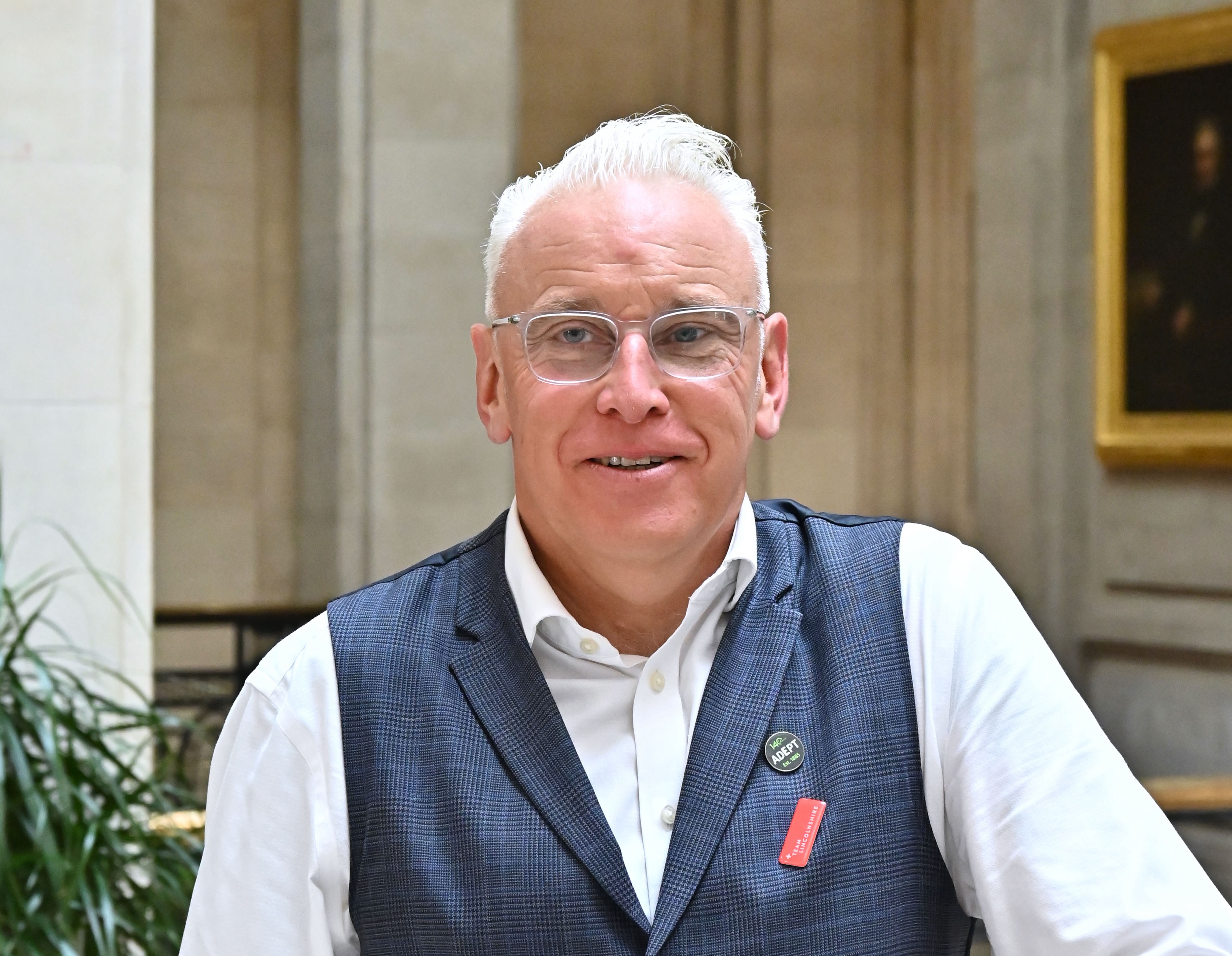
In his essay Andy Gutherson, 1st Vice President of ADEPT and Executive Director of Place at Lincolnshire County Council explores the idea of "Green foundations: nature, place and the climate challenge".
For me, 'place' represents a sense of belonging and identity. The creation of long-lasting legacy – physical, environmentally, economically and socially – now means ensuring that legacy can withstand the climate shocks ahead and actively contributes to nature's recovery. The physical impact of what we do is very closely aligned with planning outcomes, and this connection between the natural and built environment has become increasingly critical as we face an increase in the number of and impact of extreme weather events.
How climate change and biodiversity have shaped place leadership
Climate change and biodiversity have fundamentally reshaped the role of place directors. The outcomes required to be delivered from legislative frameworks have transformed how we approach every aspect of place-making. We’ve moved to a position where environmental considerations were one factor among many, to a context where they must underpin every decision we make.
The increasing frequency and severity of extreme weather events has exposed vulnerabilities in our infrastructure and communities. Flooding in particular has taught us that traditional grey infrastructure alone cannot protect our communities – we need nature-based solutions, sustainable drainage systems and land use planning that works with water rather than against it. Building greater climate resilience into our planning means fundamentally rethinking how we design places.
Working in Lincolnshire, land was reclaimed to create the Fenlands which now help to feed the nation. However, the risks associated with the sustainability of the coastal defences raise the spectre of the sea re-establishing its primacy – this is in a county where a third of the land mass is at or below sea-level. Arguably, this is our biggest local challenge
However, the biggest barriers to delivering net zero at local level remain substantial challenges for all of us. Political commitment is wavering and reducing, so in a world of increasing pressure on local government resources, mitigation of the impact of climate change is seemingly becoming a decreasing priority.
The cost and resource commitment required is considerable, and long-term strategy commitment, including statutory provision for climate change, is required if we are to make meaningful progress.
Nature recovery and local energy planning
Local Nature Recovery Strategies represent an opportunity to embed nature into the heart of local planning and decision making. The biodiversity net gain requirement has required us to adapt our processes and assessment of what we do. I don't believe it has changed our approach fundamentally, as we have previously sought to balance environmental impacts and concerns, but it has prioritised, formalised and strengthened our commitment to nature recovery. Local Energy and Infrastructure Planning is equally critical to our net zero ambitions.
There is, however, an increasing level of challenge to the infrastructure requirements associated with meeting the net zero ambitions especially when associated with the Governments Clean Energy agenda. The local push back in communities to what is perceived as the industrialisation of rural landscapes to introduce solar farms, wind farms, battery storage (BESS) and other associated infrastructure such as inter connectors, pylon rums and electricity substations. The balance between delivering long term energy solutions and energy security is creating increased tensions at a local level
Much of this infrastructure is being introduced into areas where the cost of living increases, to which energy costs contribute significantly, are being felt most. To date, those communities are not seeing how this infrastructure provide s a direct benefit to them or their community
When balancing competing priorities like housing delivery, economic growth and environmental protection in decision making, I believe a focus on assessment of options, consideration of risks and cost benefit of outcomes is needed. This balance has become more complex as climate imperatives have grown more urgent, but it remains essential to our work as place leaders.
What this means for place directors
The role of place directors has evolved from focusing primarily on the physical fabric of places to becoming climate and nature leaders. We need new skills, new partnerships, and new ways of thinking.
I have seen ADEPT's role and position evolve significantly. The organisation has moved away from an engineering-centred organisation to a more rounded and multi-disciplinary body embracing a range of challenges and opportunities. There is an increasing position of influence within the place arena particularly on climate and nature issues.
The future of place
Looking back over my career, what I'm most proud of when I consider the idea of 'place leadership' is being a mentor and role model to the next generation of planners and place leaders. Those coming behind us will inherit not just our built environment, but our climate legacy.
In terms of being good ancestors, we must leave a legacy not a liability. We must respect what we were left and ensure we pass it on to others. This is particularly true when it comes to climate action – the decisions we make today about nature, energy, and resilience will shape the lives of generations to come.
In this globalised world, the concept of place has expanded, making more locations accessible, both physically and virtually. Yet at the same time, our local areas – where we live and work – have become increasingly important to our sense of pride, belonging and mental wellbeing. And as climate impacts intensify, the resilience and quality of our local environment will increasingly determine our quality of life.
My advice to the next generation of place leaders is to be ambitious, honest, confident and innovative. Be true to your values and beliefs. Look to leave a legacy. Embrace the climate challenge not as a constraint but as an opportunity to create healthier, more resilient communities.
In spite of the complexity of the place agenda and the uncertainty of global events and political turbulence, we all still have an important role to play. As custodians of the place, we need to stand up for our individual and collective beliefs – particularly when it comes to protecting nature and delivering on our climate commitments for future generations.
Further information
- Read the full collection of essays
- Find out more about our 140th anniversary
- Watch our 140th anniversary celebration film and animated timeline
Author
Andy Gutherson 1st Vice President / Chair of ADEPT Midlands Board / Executive Director of Place, Lincolnshire County Council