Live Labs 2 blog - Year 4: A unique series of UK collaborative workshops begins
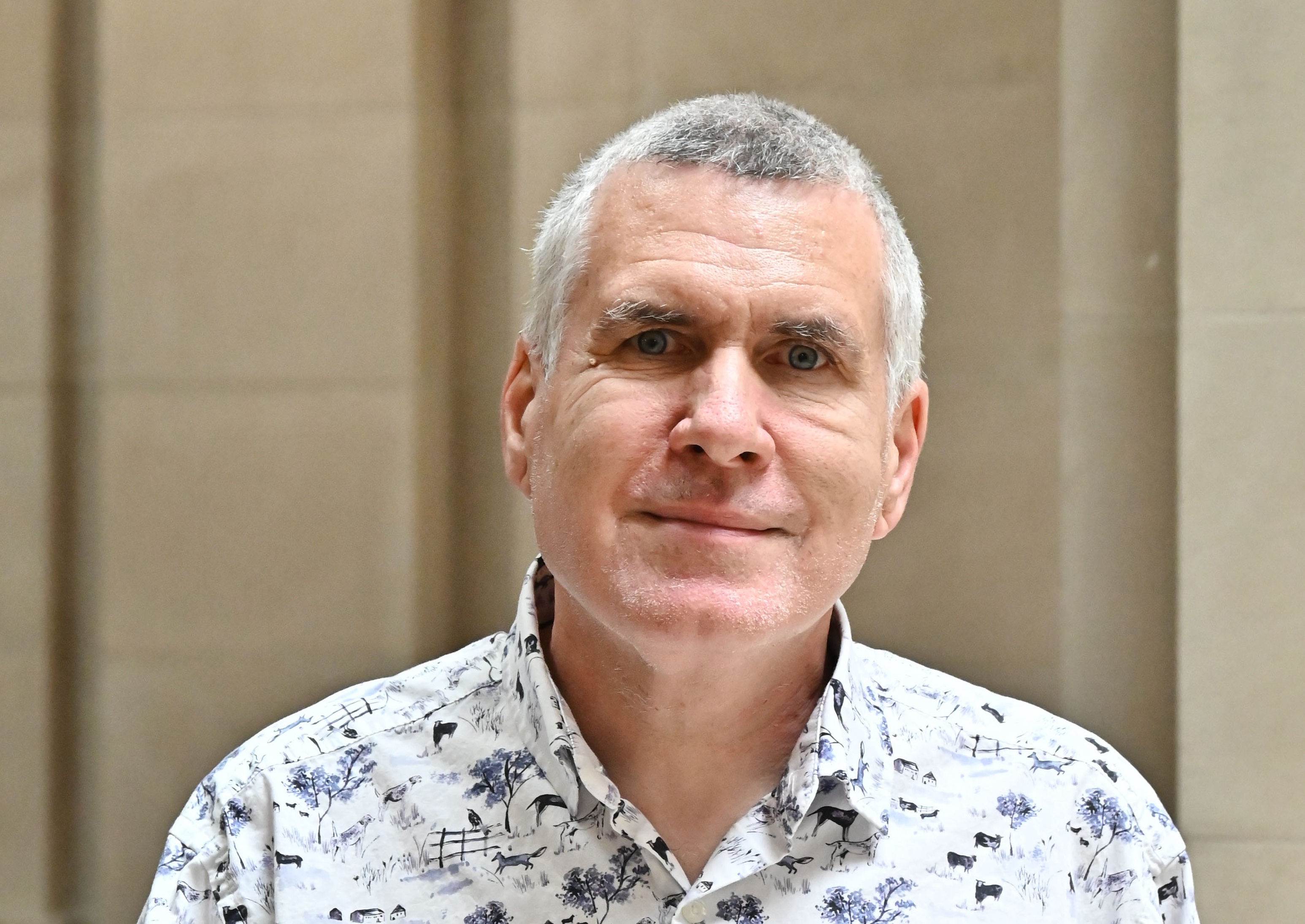
As year 4 reaches the halfway mark, Giles Perkins, Programme Director for ADEPT Live Labs 2 launches regional workshops across the country and fine tunes a busy period of external engagement.
The focus for Live Labs 2 year 4 is about how we share what we’ve learned on the programme both with the sector and more widely.
- Sharing - speaking to wide audiences, for example at conferences, to raise the profile of the programme.
- Collaborating - workshopping Live Labs content and concepts with practitioners within and beyond the highways sector, using the authentic voices of our Live Labs leads.
- Supporting - monthly online sessions offering a safe space for practitioners across the public sector to talk through the challenges and opportunities arising from the programme.
Live Labs 2 ‘On Tour’
From 17th September, we’ll be taking Live Labs 2 on the road. We’ll talk attendees through the seven Live Labs that formed part of this £30m research project, signposting strategic and tactical tools, methods and solutions which can help significant change across the highways sector.
Since wrapping up the deployment period of Live Labs 2, we’ve been focused on making sure the programme’s learning doesn’t just sit on a shelf. Thanks to an extra £300,000 of funding from DfT, Year 4 has given us the chance to take what we’ve learned out across the UK, sharing it through conferences, collaborative workshops, online sessions and conversations with public and industry bodies.
So far, we’ve reached nearly 500 people, exploring how the approaches developed through Live Labs 2 can help cut carbon, cost and delivery time.
Just as importantly, we’ve been listening - building a clearer picture of the barriers local highway authorities face when trying to adopt new ways of working. We’ve been considering what we can do to help turn the programme’s £30 million innovation investment into lasting, ‘business as usual’ change. After all, different audiences engage with innovation in different ways.
Live Labs 2 Regional Workshops
We’ve kept these workshops deliberately small and targeted, so there’s real space for detailed discussion, peer learning and practical implementation support.
Taking place across England, Scotland, Wales and Northern Ireland, they will bring together local authority officers and practitioners to explore findings in greater depth, talk through common challenges and spot practical opportunities for applying programme learning in their own organisations.
They are the first of their kind and offer a real chance for all decision makers, budget holders and practitioners involved in local authority highways across the whole life cycle to help shape a new ‘business as usual’. Workshops are free to attend and signing up is simple:
https://docs.google.com/forms/d/e/1FAIpQLSd_6SlJzlinGs2G_APCA5qtldhmZe7v56YoGd8zb_ifqoH1Ug/viewform
- 17th September, Glasgow
- 18th September, Newcastle
- 21st September, Stevenage
- 22nd September, Leeds
- 23rd September, Manchester
- 24th September, Ipswich
- 25th September, Birmingham
- 21st October, Aberdeen
And it doesn’t stop there - we can also deliver bespoke sessions for public bodies, as well as knowledge sharing events with industry, academic and sector organisations to help put learning into practice as quickly as possible.
Industry Events
At a national level, we’re continuing to showcase learning at major industry events including Interchange, LCRIG's Innovation & Learning Festival, Highways UK and both the ADEPT Spring and Autumn Conferences. These events let us share programme achievements with thousands of professionals working across highways, transport, infrastructure and local government, helping spread awareness of the tools, evidence and innovations emerging from the programme.
- CIPFA Regional Conference, 16th September 2026
- ICE Lunch & Learn, 16th September 2026
- Strictly Highways, 6-8th October 2026
- CIPFA Regional Conference, 13th October 2026
- Highways UK, 14-15th October 2026
- CIPFA CFO event, 6th November 2026
- CIHT Live Labs 2 session 2, 9th November 2026
- ADEPT South West meeting, 11th November 2026
- CIPFA Regional Conference, 12th November 2026
- Roads Expo Scotland, 25th November 2026
- ADEPT Autumn Conference, 26th November 2026
Specialist Networks & Triage
Our monthly Triage Sessions are another important part of this approach. They provide a direct route for local highway authorities to programme expertise – a place to ask questions and seek advice on specific challenges. While large conferences help us reach the sector broadly, the Triage Sessions and targeted workshops let us to support authorities at a much more practical level.
We’ll also keep engaging with specialist networks, communities of practice and technical forums, including SCOTS, CIHT, CIPFA, the LGA and other established industry groups. These forums give us valuable space for detailed technical discussion and direct engagement with those responsible for delivering change on the ground.
Together, this mix of high-profile national events and smaller, targeted engagement activities reflects the central ambition of Year 4. It’s not just about telling people what Live Labs 2 has achieved but helping the sector understand how successful innovations can be adopted, adapted and embedded into ‘business as usual’.
We know there will always be barriers to change and we’re here to help address and overcome these.
Want to know more? Get in touch here: https://www.adeptnet.org.uk/live-labs-2-year-4-events
Further information
- The ADEPT website features a new, AI-powered large language search model, making it easier for local authorities and industry professionals to quickly access reports, toolkits, project blogs, evidence and resources from across the Live Labs 2 programme. Simply navigate to the top right-hand corner of the ADEPT website to find the Ask AI function and use it to search for what you need from the Live Labs 2 projects.
- For more information on ADEPT Live Labs 2: Decarbonising Local Roads in the UK, please look at the Live Labs 2 section on the website
- The next Triage session will take place on Tuesday 8th September between 14:00-16:00 - find out more and register for a future session
- You can find resources from the Live Labs 2 programme here.
Author
Giles Perkins is Programme Director for Live Labs 2