140th anniversary blog series - Place leadership and planning
We are celebrating ADEPT's 140th anniversary year by showcasing the voices of past and present Presidents, reflecting on the evolution of place leadership and exploring the challenges, innovations and aspirations shaping the future of the sector.
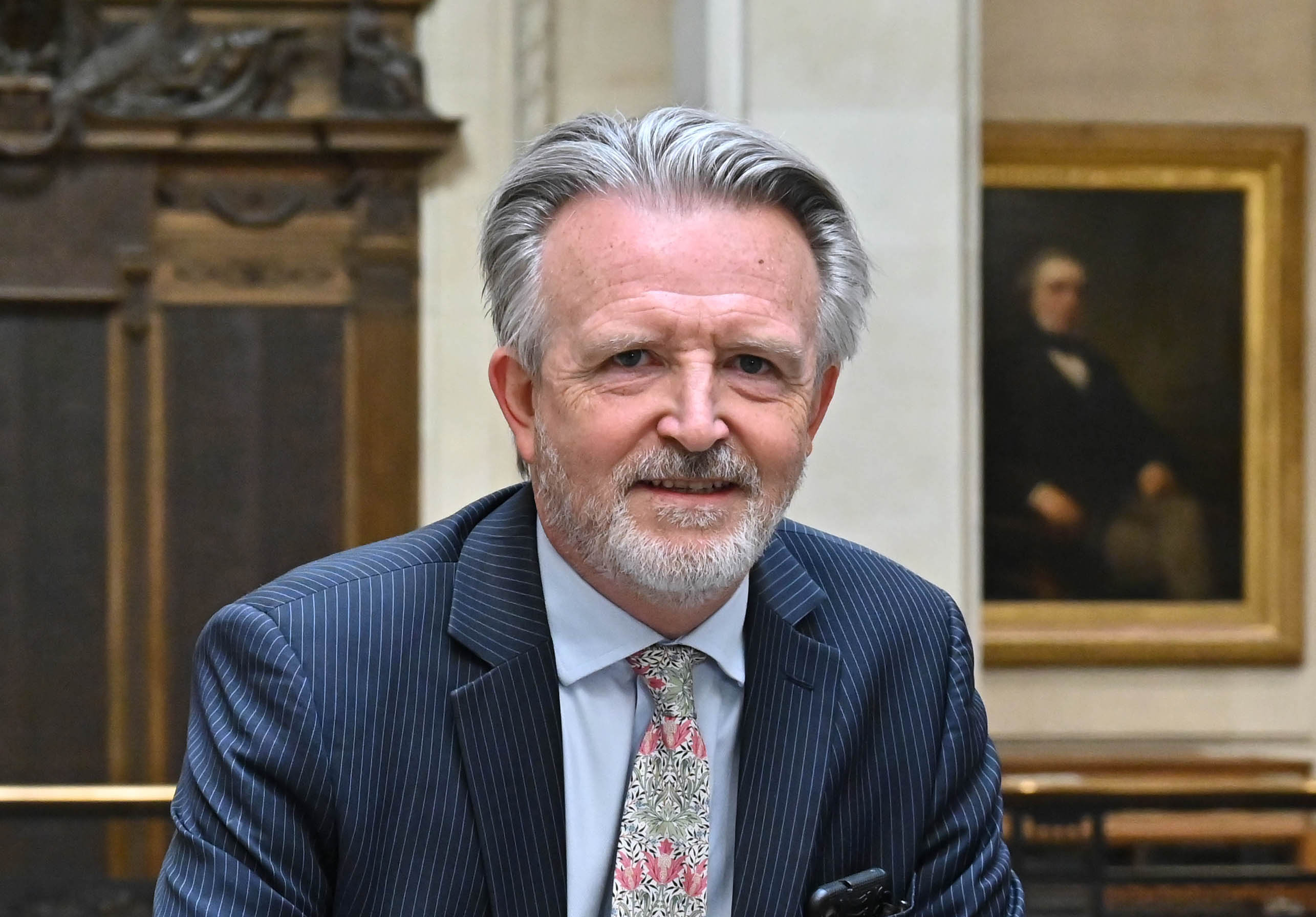
Anthony Payne, Past President of ADEPT (2023-24) and former Place Director of Plymouth City Council explores place leadership and planning.
I spent 15 years as Place Director in Plymouth, where I oversaw the creation and development of the Place Department and led the city’s growth agenda. My connection with ADEPT began around 2011, when a former colleague encouraged me to get involved.
Defining place
The term ‘place’ emerged in local government largely due to financial pressures and the amalgamation of services. But what could have been merely a bureaucratic response became something more valuable: bringing together the range of functions that impact the liveability of communities. Shaping places is about making them liveable, fit for purpose and preparing them for the challenges ahead. It’s about making them as vibrant, as safe, and as inclusive as they can be. While times change and challenges evolve, the fundamental principles and qualities that make good places remain similar but evolve with time and new ways of living such as the ever increasing importance of digital connectivity.
Local plans
Local plans provide the essential framework from which all policies, strategies and actions in a local authority flow. The Plymouth Local Plan, for example, brought together policies and strategies across the city to shape growth from multiple perspectives - spatial, economic, regeneration, environmental, public health and education service provision. The problem is that many local plans are outdated and no longer reflect current needs or the challenges of the next decade. Where plans aren’t refreshed and renewed, they become less relevant and less effective as tools for shaping the future. In developing Plymouth’s local plan, we consulted extensively. Yet even with this effort, we only reached a fraction of residents- this can obviously lead to friction later down the line, as there are still strong objections, even when development aligns with the adopted plan. There’s a real disconnect between strategic and long-term planning and local reaction. Single-issue agendas do not always appreciate and balance out much wider, complex agendas and challenges and their inter-relationships. One of the key strengths of local plans is their ability to join up agendas and seek the best outcomes across competing priorities - but this holistic view isn’t always appreciated.
Balancing local needs with national targets
The ambition to increase housing numbers is laudable. However, the reality is stark: tightly bounded authorities with limited land availability will struggle to meet their individual targets. Government shouldn’t be fixated on numbers in each specific place, but should look at them across a broader spatial canvas. This is why spatial development strategies - reminiscent of structure plans or regional planning approaches - make sense. What goes around comes around and the demise of regional planning from the early 2000s now seems to be reversing. A more strategic approach across larger geographies can better justify housing allocation, while minimising local protectionism. Equally important is supporting brownfield regeneration. The costs associated with brownfield development are significant and developers cannot always cover them. Government needs to reconsider gap funding for brownfield remediation, something the Blair government and Regional Development Agencies did effectively. If schemes become profitable beyond a certain threshold, clawback mechanisms can return funds to the public purse. In terms of public engagement, all voices can be heard, but not all voices can be satisfied. Planning involves balancing a complexity of competing interests, and sometimes the interests of certain groups must be foregone for broader benefits. I think back to Local Agenda 21 from the 1992 Earth Summit - a mechanism for community engagement on sustainable development outside statutory frameworks. UK authorities were good at producing these strategies, but poor at delivery. When abandoned, engagement became more ad hoc, leaving people feeling unheard. Local Agenda 21 plans did provide a mechanism to listen to and consider broad interests across environmental, economic and social issues.
Planning reform - opportunities and considerations
I welcome several aspects of current planning reform, including greater flexibility on fee charging, which will help local planning authorities. As well as this, mandatory training for planning committee members is vital - understanding the intricacies and interrelationships across agendas ensures decisions are made against policy. It should reinforce a policy led approach to decisions, leading to more appropriate outcomes. The development of national policies (National DM policies) in particular areas will be beneficial in my view e.g. listed buildings where a national approach could make sense. But, they need to be developed in agreement with local government. However, we must be thoughtful as to which policies are nationally created and ensure that local context and local policy is not lost, bearing in mind to develop local plans with our communities. There needs to be balance between nationally set and locally agreed policies.
Principles for future leaders
Despite the complexity of modern local government, certain principles remain constant. These include ensuring policy integration horizontally across departments and vertically with other government tiers. Work in cooperation and partnership - if you’re doing it alone, you’re doing it wrong. Consider the economic, environmental and social impacts of every decision, minimising negative environmental effects. Looking back over my career, I’m most proud of two things. First, delivering numerous projects and schemes that will shape and enable the growth and development of places over the next 20 to 30 years. This work has long-term value that extends far beyond any individual tenure. Second, during unprecedented public sector financial challenges, in Plymouth we created a place department that brought together diverse service areas, promoting growth as a mechanism to compensate for lost core funding. The income generated actually allowed the department to grow, building capacity and skills needed to deliver on place ambitions, demonstrating that even in austere times, strategic thinking and integrated working can create conditions for success. My advice to the next generation? Draw upon the expertise within your authorities and key partners. Everyone is in it together, public and private.
This isn’t easy. Everyone thinks they can do it better than you. But ultimately, you should be proud of what you achieve in shaping places for future generations.
Further information
- Read the full collection of essays
- Find out more about our 140th anniversary
- Watch our 140th anniversary celebration film and animated timeline
Author
- Anthony Payne, Past President of ADEPT (2023 - 24) and former Place Director of Plymouth City Council